Rethinking Construction Retention for Lasting Impact
By Christina (Chris) Collins, Vice President of Human Resources, Walbridge
While the industry has long been focused on how to get people into construction, the conversation needs to shift to how we get them to stay and grow. That question is especially pressing in today’s tight and competitive labor market.
Recruiting and retention are too often treated as separate strategies when they are instead deeply connected. We invest significant time and effort in finding team members who fit our culture and bring the skills we need. Why put that effort into selecting the right people and then fail to follow through on their career growth?
The principles that follow are not unique to one company. They are practical steps any construction firm can take to build a workforce that stays, grows, and leads.
Retention is a Leadership Issue, Not Just an HR Metric
Retention outcomes are shaped by everyday leadership behavior, not HR policy.
On paper, retention sounds simple. You bring people in, treat them with respect, give them career growth, and they stay. But in practice, it comes down to effective leadership. Programs can come from HR, but if leaders at every level are not on the same page and invested in their teams’ success, those efforts fall short.
People don’t typically leave because the work is hard; they leave when they can’t see where the work is taking them. Conversely, people stay when they feel valued, trusted, and empowered, and when they feel connected to a meaningful goal. Leaders who consistently create this environment are typically the ones who retain strong talent.
A clear career path is directly linked to confidence and engagement. When people know what is expected of them, see their work adds value, and understand there is real room for advancement, they feel supported. Leaders should ask team members about their career goals early and revisit the discussion often. Having those conversations shows employees that their leaders are listening.

Programs vs. Experience: Closing the Intention Gap
Many organizations believe they are supportive because a mentorship or leadership development program exists on paper. Putting programs and policies in place from the HR side and hoping for strong retention is not enough.
This is because employees don’t experience programs. They experience the day-to-day environment, inclusion in decisions, and access to opportunity. The real test is whether people feel supported in their everyday work, especially when things get hard. Strong communication and culture are easy to maintain when everything is going well, but they matter most when it is not.
Newer leaders are often where this gap shows up. Organizations need to be intentional about equipping and supporting these leaders and holding them accountable for the experiences they create for their teams. People judge a company by what they experience every day, not by its intentions.
Additionally, mentorship does not need to be formal to be effective. Consistency and genuine support matter more than structure. Team members value a leader who cares enough to ask about them. The conversation does not need to be perfect or scripted; a simple check-in works. How are you doing? Is there anything I can help with?
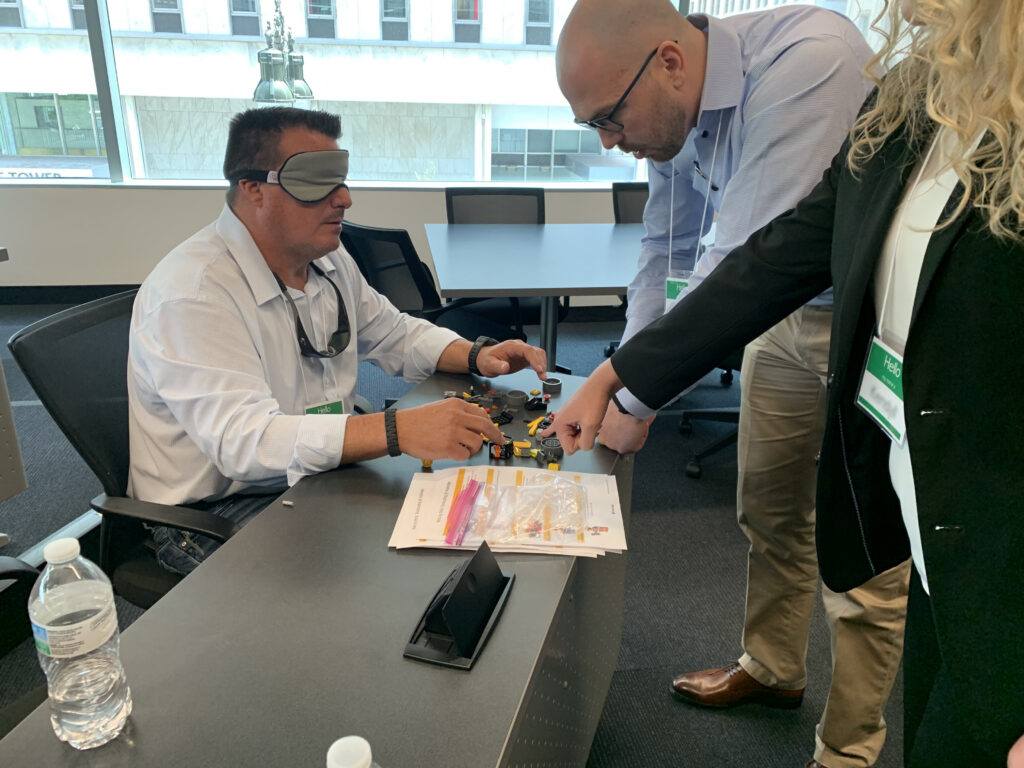
An exercise from Walbridge’s new team member orientation. One participant is blindfolded while two others provide instructions for building a specific structure.
Metrics That Actually Predict Retention
Leaders need to look beyond overall turnover metrics. A single turnover rate can hide where people are leaving and why. The four turnover metrics companies should track include early-tenure turnover in the first one to three years, turnover by role or project type, internal mobility, and participation in development programs.
High early-tenure turnover often points to onboarding or clarity gaps. It tends to peak in the first few years, especially once onboarding ends and people start to lose momentum. Regular check-ins with early-career team members can help leaders catch this shift.
Internal mobility deserves the same attention. When it is low, it often suggests employees don’t see a growth path and may go looking for one elsewhere. Turnover by role or project type can show where specific teams need more support, and participation in development programs signals whether people are investing in a future with the organization.
Measuring Success Beyond Headcount
Headcount alone says little about the health of a workforce. HR should focus instead on the strength and depth of the talent it is building. The measures of success that matter are retention of high-potential team members, internal promotions and career progression, depth of leadership bench strength, and engagement in development programs.
Developing emerging leaders is one of the most effective ways to build that bench strength. Preparing people before they step into supervisory roles, rather than after, gives them the skills and confidence to lead well from the start.
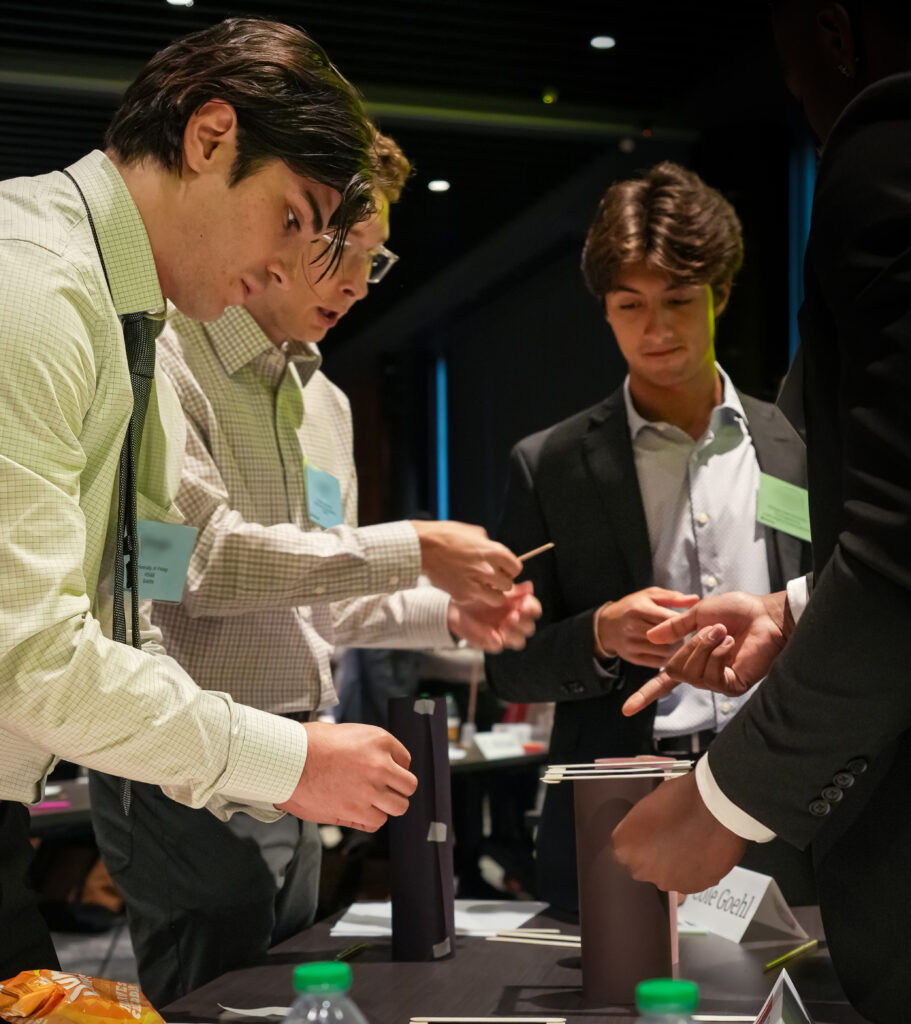
Interns from Walbridge’s summer 2026 intern cohort participating in a team-building exercise. They were tasked with building a structure that met specific requirements using provided materials, and a member of the Walbridge team evaluated the finished structures.
Building Workplaces Where People Choose to Stay
Retention is built through consistent, people-first daily experiences, not policies. That work starts small, with managers being personal and listening. Leaders should take the time to know their people beyond their job titles and understand what motivates them, the challenges they face, and what success looks like from their perspective.
Consistent communication matters just as much. This means communicating regularly and following through on commitments. Recognizing contributions helps people who work behind the scenes feel seen and opens a two-way dialogue within the team. A people-first culture is built one interaction at a time, through respect, empathy, accountability, and genuine care.
Construction leaders should look honestly at whether their day-to-day culture matches their stated retention goals. Culture should be part of daily practice, not treated as a standalone initiative.
People are also more likely to stay when they connect with what makes construction careers meaningful over the long term. For many people, it is the chance to build something tangible and see the lasting results of their work. Retention is fundamentally about helping people see a future for themselves within the organization. When an organization understands what people need in their careers and how it can support them, that future becomes easier to see, and people have a reason to stay.
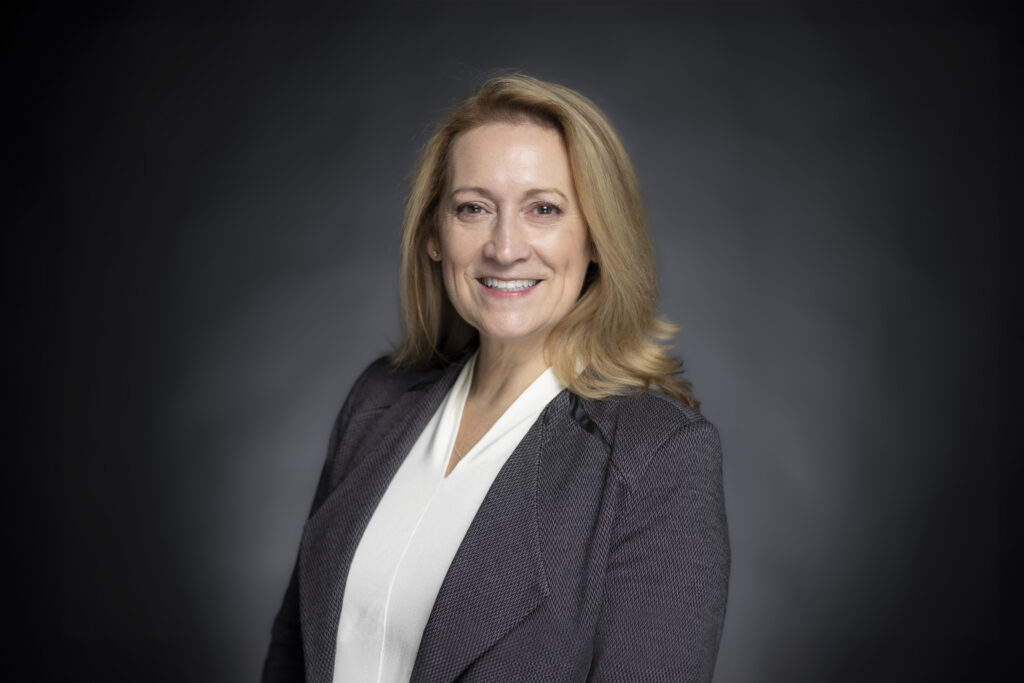
As Vice President of Human Resources at Walbridge, Christina (Chris) Collins focuses on strengthening teams through practical retention strategies that engage employees, support career development, and help the construction industry retain its most valuable resource, its people.

Walbridge is one of America’s largest privately held construction companies, delivering construction management, engineering, and real estate services across data centers, manufacturing, automotive, and more since 1916