How to Overcome the Complexities of Building Today’s Hyperscale Data Centers
Constructing today’s massive data center projects demands an inclusive, partnership-driven approach built on trust.
The scale and complexity of today’s hyperscale data centers, along with a number of other unique challenges, are forcing general contractors to rethink and redefine their entire construction process.
At Walbridge we have completed or have under development more than 50 data center builds, representing over 5 gigawatts of power. One of the projects we are currently constructing in Michigan will span roughly two million square feet across multiple buildings and is expected to be among the first hyperscale facilities completed in the state.
Through our work on several hyperscale data centers, one message remains consistent: traditional construction playbooks are no longer sufficient under the pressure of the delivery timelines these projects demand. That means thinking holistically to solve problems in real time with practical solutions.
General contractors building hyperscale data centers are expected to work through community concerns; answer technical questions about water usage, noise, and other environmental impacts; and navigate continued labor shortages.
While complete site development may span three to five years, core construction schedules often range from just 18 to 24 months, significantly faster than projects of similar scale and complexity in other industries.
The urgency is driven by unprecedented market demand. Every major technology company is racing to build the infrastructure necessary to compete in a world increasingly shaped by generative AI and large language models. Companies such as Amazon, Google, Meta, and Microsoft are investing heavily to expand their computing capacity and support rapidly growing demand.
A decade ago, a 50-megawatt data center was considered large. Today’s hyperscale data centers range from 100 to 500 megawatts, meaning as an industry we are often operating in uncharted territory.
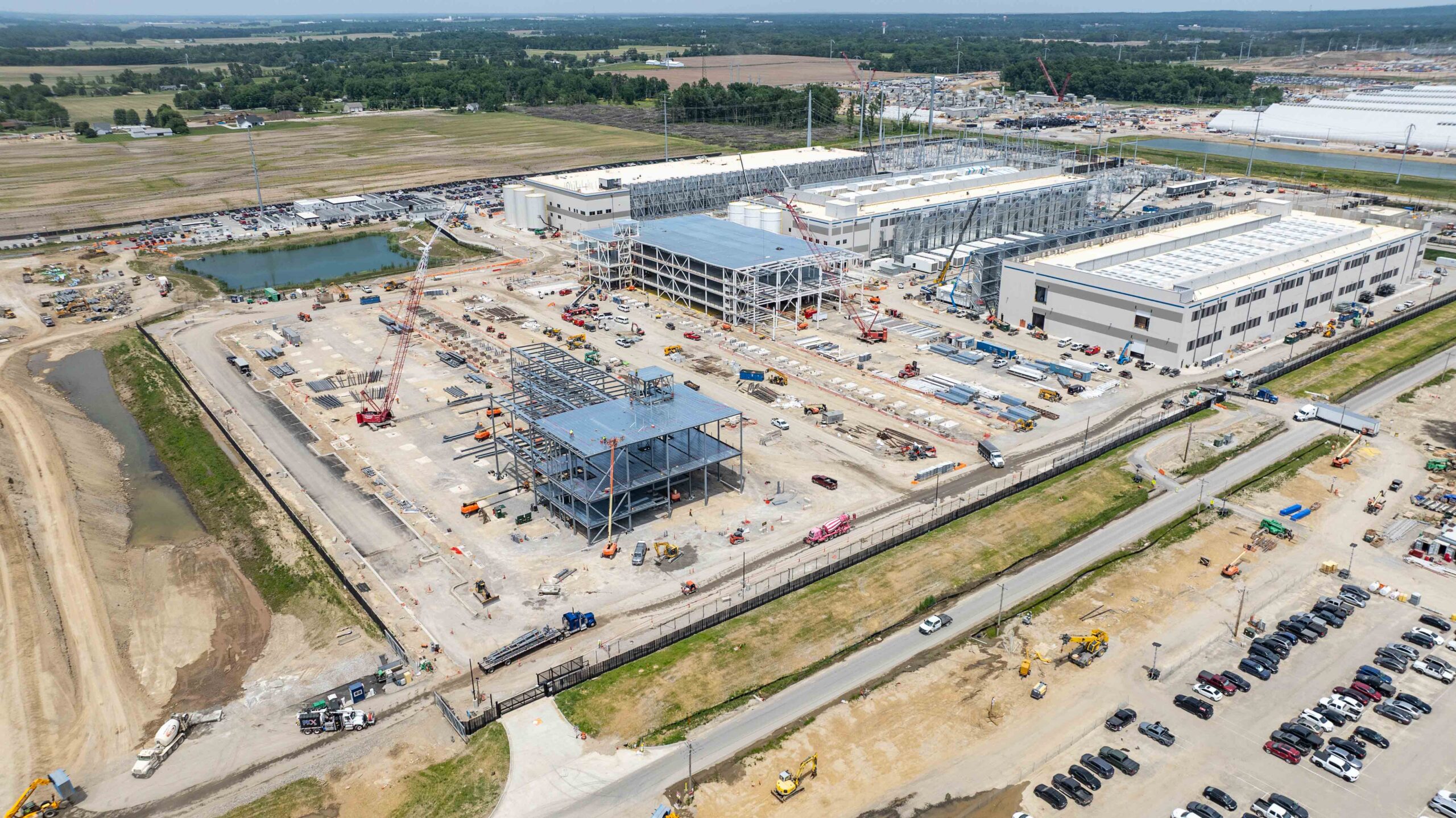
Since entering the data center market over 10 years ago, we have worked with more than 10 of the world’s leading cloud and AI companies and developed a clear set of best practices to successfully deliver hyperscale data centers on time and on budget.
Building Community Trust Before Construction Begins
Community support is no longer a “nice to have” for hyperscale development – it is a prerequisite for success. Across the country, residents are asking important questions about environmental impact, infrastructure demands, and electricity costs.
Owners, developers, and general contractors seeking approval for data centers need to be open and transparent throughout the development process. They must proactively communicate the steps being taken to minimize environmental impacts, such as implementing closed-loop water systems, while also highlighting the project’s job creation and economic development benefits.
Equally important is demonstrating a long-term commitment to the community through meaningful investment and engagement.
Successful projects treat the local community as a primary stakeholder from the earliest stages of project planning. In some cases, companies involved in data center projects have moved too fast, creating false impressions about their intentions. Communities are no different than the other stakeholders – they need to be treated as partners. Building that trust requires:
- Holding listening sessions to identify local community needs and pain points, such as strained municipal budgets or a lack of workforce pathways.
- Making direct, impactful investments in local services, including funding upgrades for local emergency and fire departments, establishing dedicated community enhancement funds, and supporting infrastructure improvements.
- Protecting local natural resources (like wetlands and water supplies) and preserving historic landmarks.

Securing Your Workforce Long Before Construction Begins
A major data center project creates on average 2,000 to 3,000 construction jobs, which is great news for our industry and the communities we serve. However, the construction industry continues to face persistent labor shortages that are expected to intensify as experienced workers retire. In addition, many subcontractors have limited experience working on data center projects of this size and need specialized training before setting foot on the jobsite.
Effective workforce planning for hyperscale projects begins months before construction starts. Owners and contractors need adequate lead time to partner with labor organizations, recruit workers, and develop training pipelines.
Today’s skilled tradespeople are in high demand and can choose where they work. Attracting and retaining top talent requires high-quality jobsite amenities, such as:
- Paved walkways and parking, a variety of food options, and cooled/heated lunch tents.
- Recognition for exceptional performance through incentive programs ranging from gift cards to much larger awards.
- Establishing on-site, modular training facilities for apprenticeship programs to familiarize the workforce with the unique equipment and safety protocols of hyperscale data centers.
Jobsite amenities and workforce investments are no longer optional perks – they have become industry standards. Skilled trades workers are essential to the success of these projects, and they deserve to be treated with the respect, support, and professionalism their expertise commands.
Turning Trade Union Partnerships into a Strategic Advantage
Projects of this scale cannot succeed without strong, longstanding relationships with trade unions built on trust, collaboration, mutual respect, and advocacy. These partnerships take years to develop and depend on honesty and credibility.
Because every aspect of a data center project is interconnected, even a minor disruption can create significant downstream impacts. Working effectively with trade unions also depends on:
- Engaging trade union and labor leaders during the earliest planning phases to align workforce needs, project schedules, and expectations.
- Establishing national labor agreements and workforce frameworks that help guarantee labor availability, maintain schedule certainty, and reinforce rigorous safety standards before construction begins.
- Building regular coordination and communication structures that allow contractors and labor leaders to discuss challenges early, identify solutions, and make decisions quickly.
Using Off-Site Construction to Accelerate Timelines and Reduce Labor Pressure
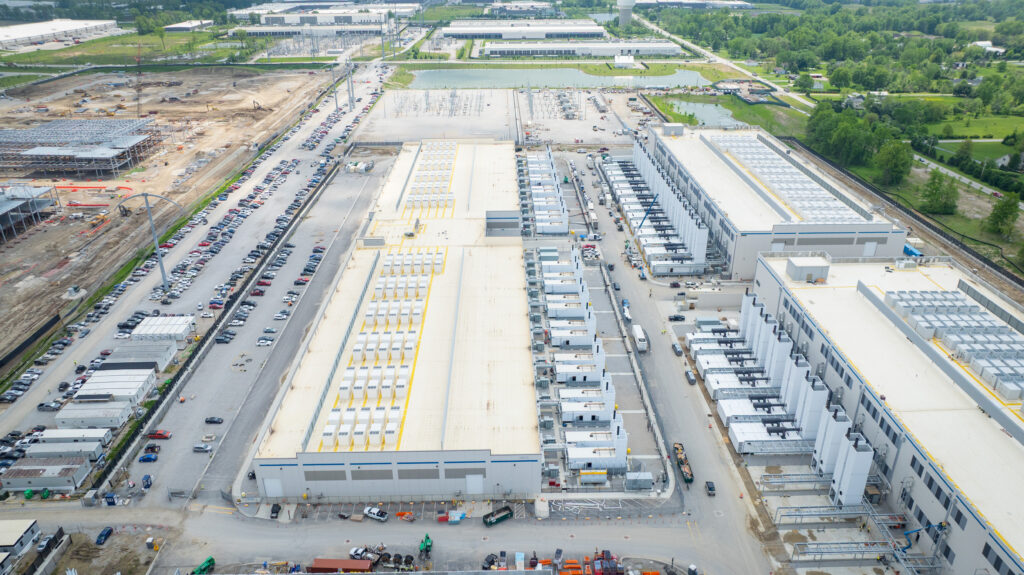
While data centers are massive and complex projects, their modular nature creates significant opportunities for off-site construction and prefabrication. This approach has three primary advantages: It broadens the potential labor pool, improves quality, and speeds up the construction process.
Components ranging from duct banks and battery rooms to electrical rooms and power distribution systems can all be assembled off-site in controlled factory environments. This improves the quality and consistency and is also safer for the workers. In fact, some factory-built modules can be built in one-third the normal time compared with conventional construction methods.
As the scale of these projects continues to grow, prefabrication is shifting from a tactical option to a strategic necessity. Contractors who build strong relationships with prefabrication partners and invest in those capabilities now will have a meaningful advantage as project demands intensify.
A Defining Moment for the Construction Industry
Ultimately, each of these strategies addresses the industry’s most pressing challenge: delivering projects as quickly as possible, without compromising quality and safety. Community engagement reduces delays. Workforce planning ensures labor availability. Trade partnerships improve coordination and productivity. Prefabrication accelerates installation. Together, these approaches allow contractors to meet the aggressive timelines demanded by today’s digital economy.
This moment presents a significant opportunity for our industry. By rethinking how we engage communities, develop our workforce, and execute these projects, we can deliver critical digital infrastructure while creating high-quality jobs, strengthening local economies, and building trust that lasts well beyond project delivery. That’s the true measure of success and the role we play in shaping the future.

John Rakolta III is president of Walbridge, where he has led the company’s expansion into hyperscale data center construction, driven significant market diversification, and built a culture of collaboration and innovation that fuels the company’s continued national growth.

Walbridge is one of America’s largest privately held construction companies, delivering construction management, engineering, and real estate services across data centers, manufacturing, automotive, and more since 1916.