Rising Material Costs: How Builders Can Adapt to Tariffs and Inflation
By Patrick Murphy, Founder & CEO, Togal.AI
The construction industry is feeling the pressure. Material prices are rising, tariffs are taking hold, and interest rates remain high. Put together, these forces reshape how projects are financed, planned, and built. Add to that a persistent labor shortage, and the construction industry faces a perfect storm: higher costs, fewer workers, and slimmer margins.
These factors have a ripple effect across housing, infrastructure, and beyond – straining budgets already stretched thin. For instance, expert analysis predicts that the average home prices could increase by $19,500 due to tariff impacts alone. Macroeconomic forces continue to shape the market in ways that are outside of our control. But that doesn’t mean construction firms can’t overcome these challenges. In fact, the next phase of growth will belong to those leaders who innovate and adapt.
Macroeconomic forces continue to shape the market in ways that are outside of our control. But that doesn’t mean construction firms can’t overcome these challenges. In fact, the next phase of growth will belong to those leaders who innovate and adapt.
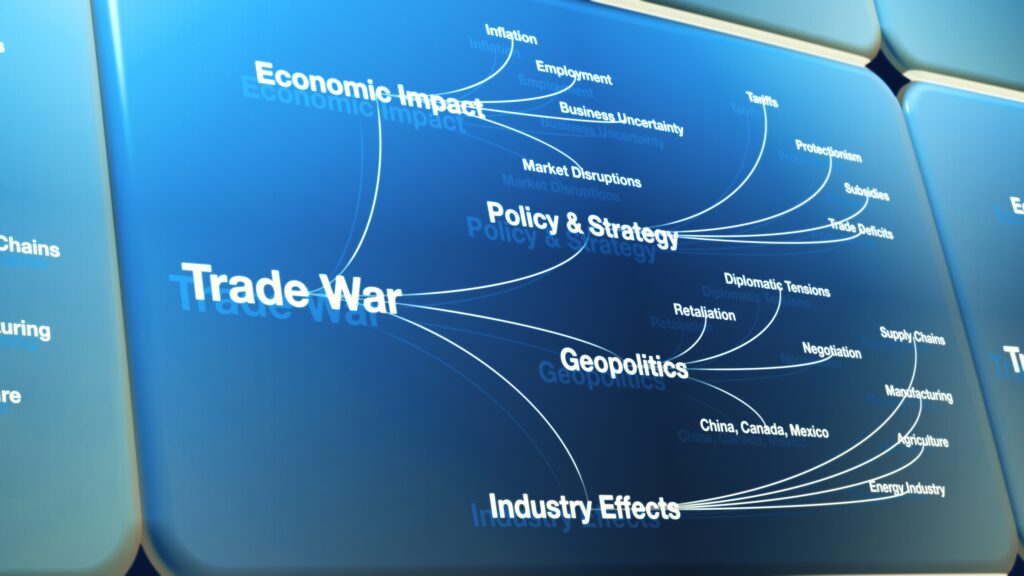
Tariffs and Inflation: Construction Cost Squeeze
Tariffs have a compounding effect:
- Tariffs inflate material prices.
- Developers pass those costs to buyers.
- Higher interest rates further restrict affordability.
The result is a market under pressure from every direction: Supply costs rise, project financing tightens, and timelines stretch. In response, developers delay or scale back projects – and consumers face mounting affordability challenges.
Unfortunately, this isn’t a temporary fluctuation. Material costs have remained elevated since the pandemic-era supply chain shocks, and recent tariffs threaten to exacerbate those increases.
Compounding matters is the ongoing construction labor shortage, now estimated at half a million unfilled construction jobs nationwide in 2026. Labor scarcity and rising material costs reinforce each other, driving up the total cost of doing business and putting projects at risk.
These pressures touch every layer of the construction ecosystem:
- For Builders: Profit margins tighten, risk rises, and access to affordable financing diminishes.
- For Developers: Longer project cycles and higher input costs lead to delayed revenue streams.
- For Buyers: Higher sticker prices make homeownership and investment properties harder to afford.
The downstream result is a cooling national market, with many regions reporting slower growth and constrained pipelines. Yet even amid these headwinds, some local economies defy the trends.
Productivity Gap: Why Construction Feels the Strain More Than Other Industries
Construction’s productivity problem is nothing new, but it’s never been more relevant. Over the last 50 years, the construction industry has seen 0% productivity growth. By contrast, manufacturing productivity is up nearly 300% and tech industry productivity surged by almost 1,000%.
This gap means the construction industry has less flexibility to absorb shocks like tariffs, inflation, or labor shortages. When costs climb, there’s little internal efficiency left to offset them.
That’s why innovation – particularly in digital workflows and automation – is becoming the defining factor separating firms that thrive from those that stall.
Case Study: Coastal Construction and Miami’s Current Building Boom
While many U.S. markets have cooled, Miami continues to expand at a historic pace. Construction jobs in Miami-Dade County recently reached 63,400 – the highest in the region’s history and up 8% year-over-year, compared with just 1.5% growth nationwide.
At the center of that surge is Coastal Construction, ranked the #1 general contractor in South Florida’s largest metro by the South Florida Business Journal.
Coastal’s success comes from its ability to adapt. Despite experiencing the same pressures facing other firms, Coastal leans into technology, sustainability, and modern project delivery methods to stay ahead.
Their example raises key questions for the rest of the industry:
- How do we meet demand without driving up costs?
- How can technology help us build faster, better, and more sustainably?
- How do we ensure that growth benefits the broader community?
Miami’s construction boom is proof that innovation and resilience can coexist, even in volatile markets.
Innovation is Salvation
In times of uncertainty, innovation is the key. While builders can’t control tariffs, labor markets, or interest rates, they can control how efficiently they operate.
Several paths forward are already emerging.
AI and Automation in Pre-Construction: The preconstruction phase remains one of the most labor-intensive and cost-sensitive stages of a project. By deploying new technologies, construction firms can accelerate these early stages and cut costs.
For instance, Togal.AI uses artificial intelligence to automate quantity takeoffs and streamline estimation. This dramatically reduces the time and cost of bid preparation. Faster, more accurate takeoffs mean teams can bid more projects without increasing headcount – and ultimately more bids won for businesses of any size.
AI-backed takeoffs are just one example of rethinking preconstruction. The potential for exponential savings occurs when construction firms leverage innovations throughout their processes.
Cloud-Based Collaboration and Data Sharing: Cloud-based construction technology enables field and office teams to collaborate in real-time, enhancing communication and minimizing rework.
Preventing missteps – such as overordering materials, poorly coordinated deliveries, or failing to adjust timelines for various contractors – can make the difference between profit and loss.
Local Sourcing and Sustainable Materials: To hedge against volatile import prices, more developers are exploring domestic manufacturing, recycled materials, and modular building approaches that reduce waste and transportation costs.
While it’s rarely possible to source every material locally, even partial shifts toward regional suppliers can have a meaningful impact. Procuring materials closer to the jobsite reduces freight expenses, shortens lead times, and minimizes exposure to global price swings.
By taking this approach piece by piece – starting with materials that are most affected by tariffs or supply chain delays – builders can gradually improve margins and enhance project predictability. Over time, these incremental shifts add up to significant long-term savings and greater resilience.
Upskilling the Workforce
Pairing modern tools with training ensures that existing workers become more efficient, closing productivity gaps without expanding payrolls.
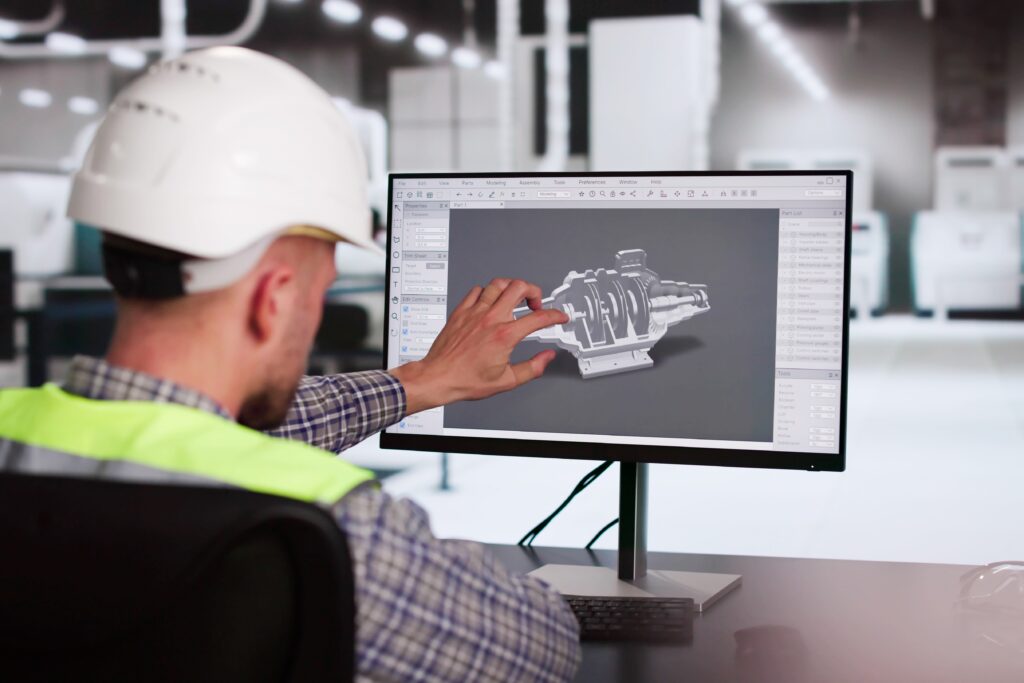
Upskilling can be as practical as introducing field teams to new digital tools, project management software, or AI-assisted estimation platforms that reduce repetitive work. The goal is to turn every worker into a higher-output contributor.
Companies that invest in workforce education also see higher retention rates. When employees feel equipped with modern tools and knowledge, they’re more engaged and confident, which often translates to better job site performance and a stronger company culture.
Innovation is a necessity. Firms that modernize their workflows will not only weather current pressures but also emerge stronger when conditions stabilize.
Building Smarter in Uncertain Times
Tariffs and inflation are reshaping the construction landscape. Costs are rising, labor remains scarce, and uncertainty is high. But amid those challenges lies opportunity.
The builders who thrive in this environment are those who embrace smarter, faster, more efficient ways to work. Whether it’s AI-powered takeoffs, cloud-based collaboration, or sustainable sourcing, innovation provides the industry with a way to counteract economic headwinds.
The future isn’t just about building more; it’s about building smarter.

Patrick Murphy brings decades of construction and leadership experience to Togal.AI. He also serves as Executive Vice President of Coastal Construction, the largest general contractor in Florida. Raised in a multi-generational construction family, he’s worked in roles throughout the industry. After graduating from the University of Miami, he joined Deloitte, earning his CPA license. From 2013 to 2017, Patrick served as the U.S. representative from Florida’s 18th congressional district. After leaving office, Patrick was appointed to President Biden’s Export Council, advising on strategies to strengthen American exports and support job creation through trade.
Patrick founded Togal.AI to modernize preconstruction by bringing AI-powered efficiency to takeoffs – helping contractors save thousands of hours and win more bids.